


Nevada faces a complex intersection of housing dynamics and immigration policy, particularly concerning the state’s substantial illegal alien population. Currently estimated at around 450,000 individuals, these “newcomers” play a significant role in both Nevada’s economy and its housing sector.
Nevada’s Current Housing Landscape
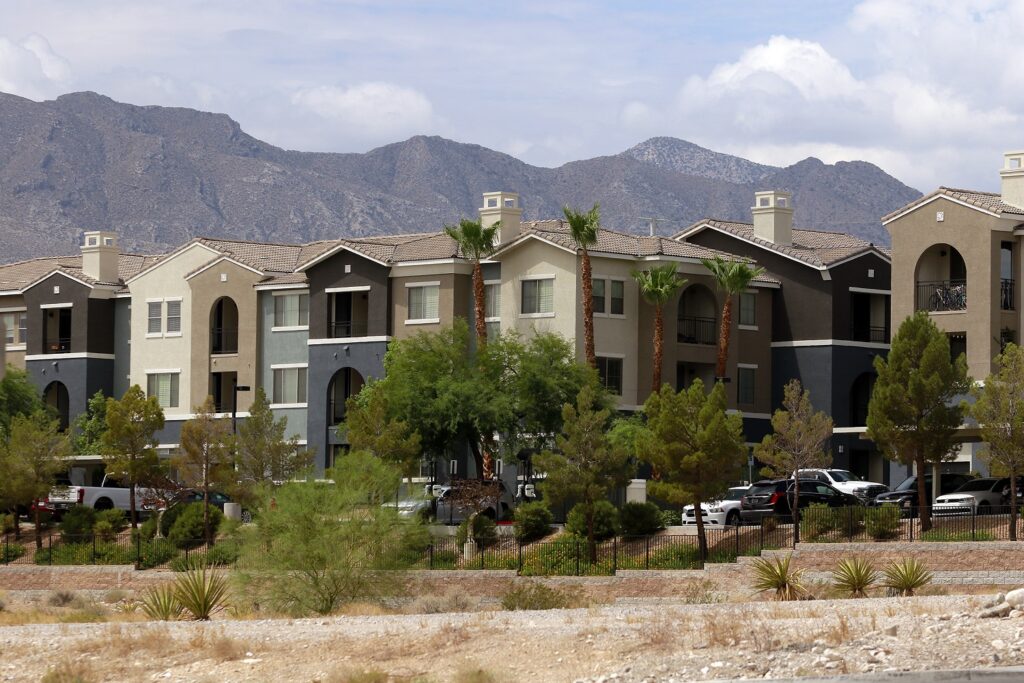
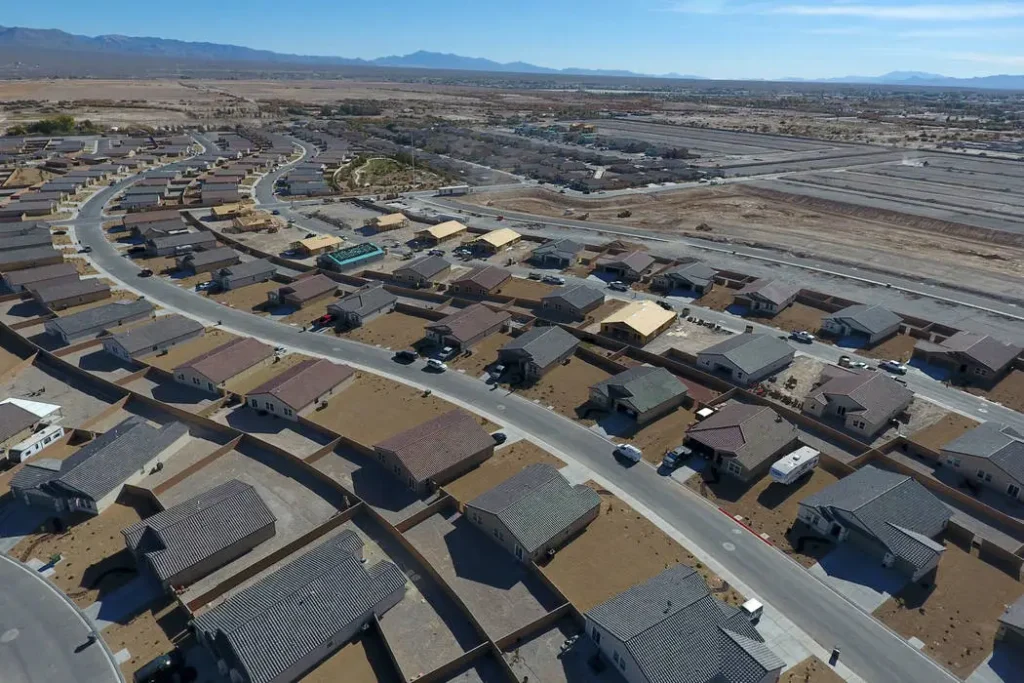
Nevada maintains a diverse housing stock totaling approximately 1.3 million units, encompassing both rental properties and owner-occupied homes. The rental vacancy rate is stable at 4.2%, while the homeowner vacancy rate remains low at 1.5%, reflecting approximately 31,785 available units. Do the math.
What are the possible solutions?
There are two proposals to resolve the issue of ever rising housing prices: Add new land and deport the illegals.
The Debate Over Federal Lands
Governor Lombardo’s proposal to request federal lands from the federal government to alleviate the housing shortage has sparked debate. While increasing land availability could potentially expand housing development, there are critical considerations to explore:
- Alternative Solutions: Instead of seeking additional land, focusing on leveraging existing housing resources through policies like the incremental removal of illegal aliens can effectively alleviate current housing pressures.
- Environmental Impact: Developing federal lands may pose environmental challenges and require extensive planning and mitigation efforts. Protecting natural habitats and maintaining ecological balance must be a priority.
- Infrastructure Readiness: Developing new housing on federal lands would require substantial investments in infrastructure, including transportation, utilities, and community services, which could strain state resources.
Projected Impact of Mass Deportation
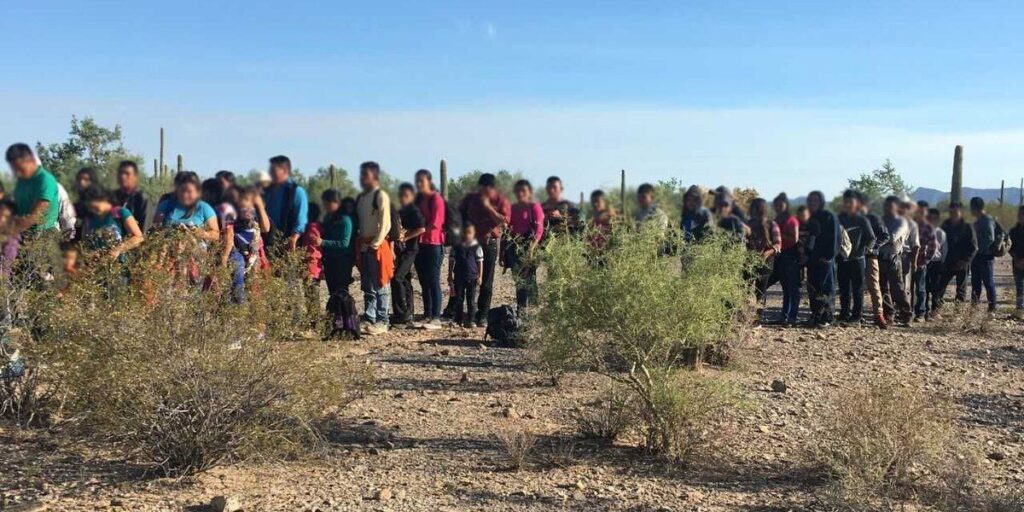
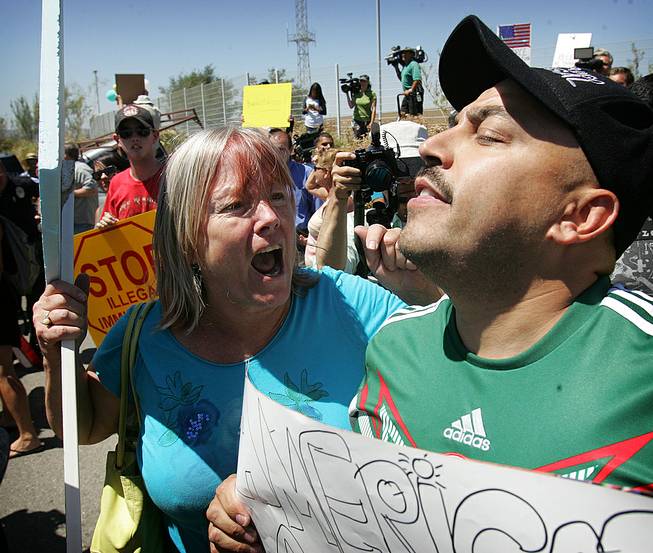
If Nevada were to initiate a mass deportation of its 450,000 illegal aliens, the implications for the housing market would be profound:
- Surge in Available Housing Units: With an estimated average household size of 2.5 people among illegal aliens, their departure could potentially free up around 180,000 housing units across the state.
- Shift in Supply and Demand Dynamics: The sudden influx of available housing units would significantly alter the supply-demand balance. Currently, the state has approximately 31,785 available units. Adding 180,000 units to the market would create an oversupply scenario, likely driving down both rental rates and home prices.
- Economic Ripples: Beyond the immediate housing market impact, mass deportation would reverberate throughout Nevada’s economy. Industries heavily reliant on immigrant labor, such as hospitality, construction, and agriculture, could face labor shortages and increased operational costs.
Incremental Removal Strategy and Its Impact
Instead, Nevada should gradually removing illegal aliens who are convicted of gross misdemeanors and felonies—offenses punishable by at least 180 days in jail. This can be done by enacting legislation at the state level akin to similar legislation that has already been enacted in Texas, Louisiana, and Oklahoma. All of these states are involved in lawsuits filed by the Biden Administration, so Nevada will have the benefit of seeing what works and what doesn’t.
This selective removal strategy is expected to unfold over time, influencing the state’s housing market in several key ways:
- Gradual Impact on Housing Supply: As individuals are removed from the state based on criminal convictions, the housing units they vacate will gradually become available for new residents or buyers. This incremental approach mitigates sudden shocks to the housing market.
- Supply-Demand Dynamics: The removal of illegal aliens convicted of gross misdemeanors, who often reside in rental properties, could lead to a slight increase in rental vacancies. Over time, this may moderate rental rates as supply adjusts to meet reduced demand.
- Economic and Social Considerations: Industries reliant on immigrant labor, such as hospitality and agriculture, may experience adjustments in workforce availability and operational costs. These shifts could ripple through Nevada’s economy, impacting sectors beyond housing.
Long-Term Outlook and Community Response
While the incremental removal strategy addresses illegal immigration within the framework of state law, its long-term implications remain subject to various factors:
- Market Adjustment: Nevada’s housing market may undergo gradual adjustments in response to changes in supply and demand dynamics, potentially stabilizing rental and housing prices over time.
- Economic Resilience: Nevada’s economy has historically demonstrated resilience in adapting to changing conditions. Efforts to diversify industries and attract new residents could mitigate economic disruptions arising from workforce changes.
Conclusion
Navigating the intersection of housing dynamics and immigration policy presents Nevada with both challenges and opportunities. The state’s incremental approach to removing illegal aliens convicted of gross misdemeanors and felonies aims to balance law enforcement priorities with maintaining housing market stability. As Nevada continues to evolve, proactive strategies and community engagement will be essential in fostering a resilient and inclusive housing environment for all residents.
Learn more about Brad’s background and other policy positions.
Join Your Independent Voice in promoting sustainable land use and reducing the impact of illegal aliens on Nevada’s economy by getting involved in our campaign. Learn more about how you can contribute on our Get Involved page.
