


Collaborating with California to support the development of desalination plants could be a viable approach to addressing water issues in the region.
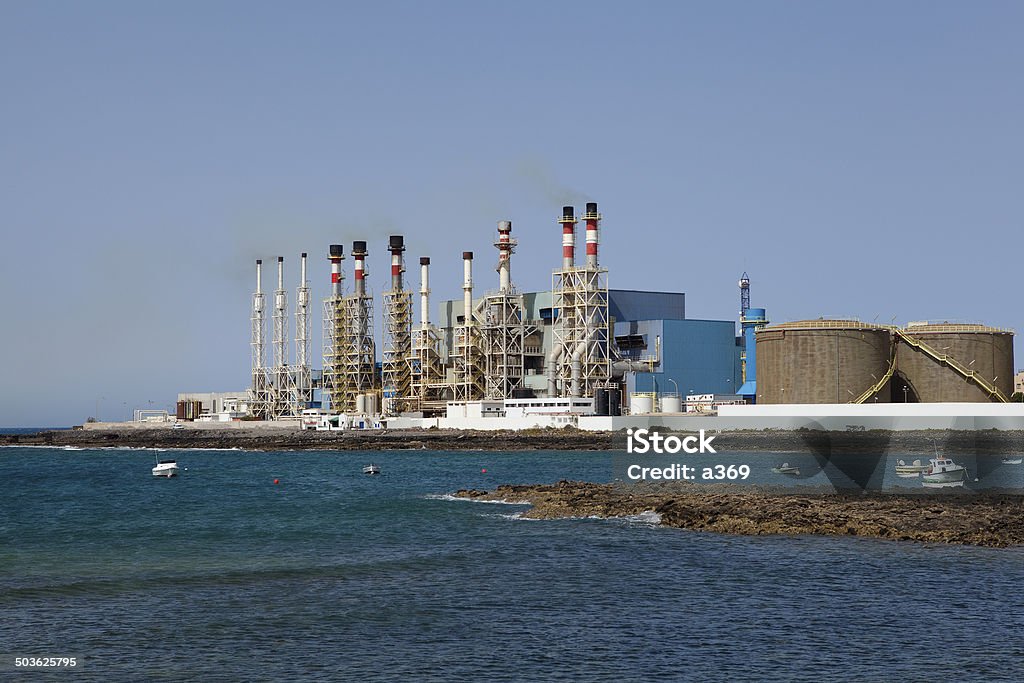
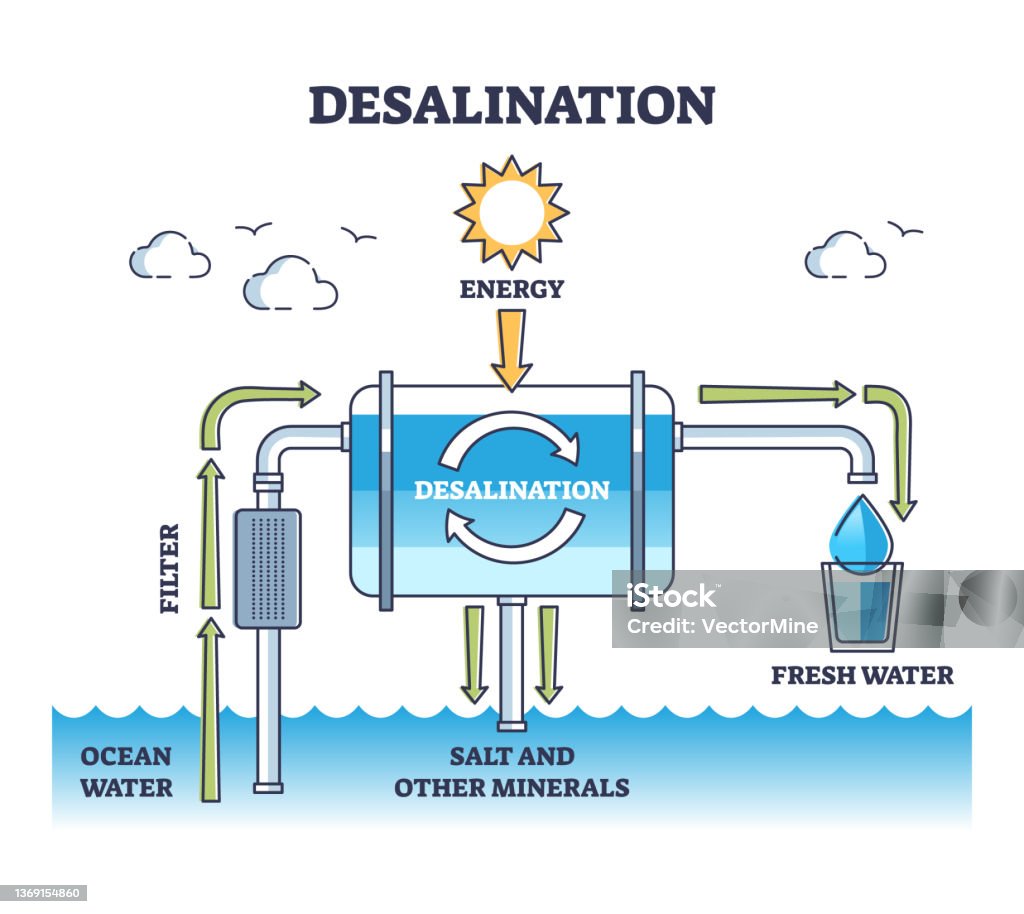
Here are some potential actions that Nevada could take to support this effort:
1. Research and Development Funding: Allocate funding for research and development initiatives focused on advancing desalination technologies and reducing the cost and environmental impact of desalination plants. Partner with California universities, research institutions, and private sector companies to accelerate innovation in desalination technology.
2. Policy Support: Advocate for policies and regulatory reforms at the state and federal levels to streamline the permitting and approval process for desalination projects, facilitate public-private partnerships, and incentivize investment in desalination infrastructure. Work with California lawmakers and agencies to overcome regulatory barriers and promote a supportive policy environment for desalination.
3. Infrastructure Investment: Explore opportunities for collaborative infrastructure investments in desalination plants and related water infrastructure projects that benefit both Nevada and California. Consider joint financing mechanisms, such as public-private partnerships, bond initiatives, and federal grants, to fund the construction and operation of desalination facilities.
4. Water Sharing Agreements: Negotiate water sharing agreements with California that incorporate desalinated water as a supplemental water supply for both states. Collaborate on the development of cross-border water infrastructure projects, such as pipelines and conveyance systems, to transport desalinated water from coastal areas to inland regions in Nevada and California.
5. Environmental Mitigation: Address environmental concerns associated with desalination plants, such as energy consumption, brine disposal, and habitat impacts, through proactive mitigation measures and sustainable practices. Invest in renewable energy sources, such as solar and wind power, to power desalination facilities and minimize carbon emissions. Explore innovative brine disposal methods, such as deep injection wells and brine recycling, to minimize ecological impacts on coastal ecosystems.
6. Public Outreach and Education: Engage with stakeholders, including local communities, environmental organizations, and indigenous tribes, to build support for desalination projects and foster informed decision-making. Provide educational resources, public forums, and community outreach initiatives to raise awareness about the benefits and challenges of desalination and solicit feedback from affected stakeholders.
7. Emergency Preparedness: Include desalination as a component of emergency water supply planning and preparedness efforts in Nevada and California. Develop contingency plans and protocols for activating desalination facilities during droughts, water shortages, and other emergencies to ensure reliable access to freshwater for communities and ecosystems.
8. Regional Collaboration: Foster collaboration and coordination among neighboring states, municipalities, water agencies, and stakeholders in the Western United States to address shared water challenges and explore innovative solutions, including desalination. Participate in regional forums, working groups, and partnerships to share best practices, exchange technical expertise, and advocate for collective action on water management issues.
By supporting the development of desalination projects in collaboration with California and other stakeholders, Nevada can help diversify water supplies, enhance water security, and promote sustainable water management practices in the region.
