


Brad Barnhill’s Stance on Sustainable Land Use
Brad Barnhill is committed to implementing a land management policy that prioritizes sustainability and community benefits. This approach to land use aims to balance development with environmental stewardship.
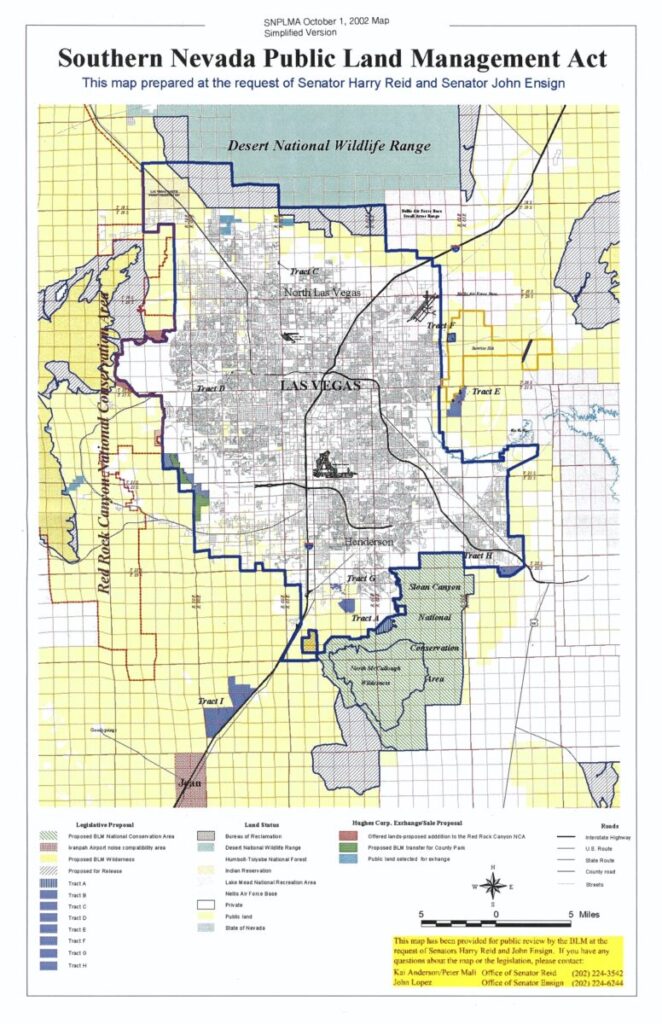
Transferring federally administered land to state control, especially when it’s under the jurisdiction of agencies like the Bureau of Land Management (BLM), is a complex and contentious issue; but necessary. Here are some steps Nevada could consider if it wishes to pursue such a transfer:
Research and Analysis:
Conduct comprehensive research and analysis to understand the legal, financial, environmental, and social implications of transferring federally administered land to state control. This includes assessing the costs and benefits, potential impacts on conservation efforts, and implications for public access and land management.
Engage Stakeholders:
Engage with stakeholders at the local, state, and federal levels, including government agencies, tribal nations, environmental groups, industry representatives, and the general public. Seek input and feedback from diverse perspectives to inform decision-making and build consensus.
Legislative Advocacy:
Work with state legislators and congressional representatives to introduce and advocate for legislation that supports the transfer of federally administered land to state control. This may involve drafting bills, building coalitions, and lobbying for support at the state and federal levels.
Negotiate with Federal Government:
Initiate negotiations with the federal government, including relevant agencies such as the Department of the Interior, to explore the possibility of transferring specific parcels of land to state control. Negotiations may involve discussions on land management responsibilities, compensation mechanisms, and legal considerations.
Develop Management Plans:
Develop comprehensive management plans outlining how transferred lands will be managed, protected, and utilized to ensure responsible stewardship and sustainable use. This may include provisions for conservation, recreation, grazing, mining, and other activities, as well as mechanisms for public involvement and oversight.
Environmental Review:
Conduct thorough environmental review processes, including environmental impact assessments and compliance with relevant laws such as the National Environmental Policy Act (NEPA), to evaluate the potential environmental consequences of transferring land to state control and mitigate any adverse impacts.
Legal Analysis:
Seek legal guidance and analysis to ensure compliance with relevant laws, regulations, and constitutional provisions governing land ownership and management, including state and federal statutes, court rulings, and interstate compacts.
Public Outreach and Education:
Conduct outreach and education efforts to inform the public about the proposed land transfer, its implications, and opportunities for participation in the decision-making process. This may involve holding public meetings, workshops, and informational sessions to solicit feedback and address concerns.
Monitor and Evaluate:
Establish mechanisms for monitoring and evaluating the outcomes of transferred land management, including tracking environmental impacts, economic benefits, and social outcomes. Use this information to make informed decisions and adjust management strategies as needed.
Collaborate with Partners:
Collaborate with neighboring states, local governments, tribal nations, and other stakeholders to coordinate land management efforts, address shared challenges, and maximize the potential benefits of transferred land ownership.
It’s important to note that transferring federally administered land to state control is a complex and politically sensitive process that requires careful consideration of legal, financial, environmental, and social factors. It may also face opposition from various stakeholders and encounter legal and logistical challenges along the way. Therefore, thorough planning, stakeholder engagement, and strategic advocacy are essential for pursuing such transfers effectively.
Conclusion
Even if Nevada can work with the federal government to transfer federal lands to the state, the next problem becomes water management. Where do you get all of the water that will be needed to support the growth that will be incurred when federal lands are controlled by Nevadans?
Learn more about Brad’s background and other policy positions.
Join Your Independent Voice in promoting sustainable land use by getting involved in our campaign. Learn more about how you can contribute on our Get Involved page.
