

Brad Barnhill’s Sustainable Solutions for Water Conservation
Brad Barnhill is dedicated to implementing a water management policy that ensures sustainable use, conservation of our water resources, and potentially developing new water sources. His approach aims to balance the needs of the community with environmental stewardship.
Background on Water Management
Water management is a critical issue, especially in regions facing water scarcity. Effective policies are essential to ensure that water resources are used efficiently and conserved for future generations.
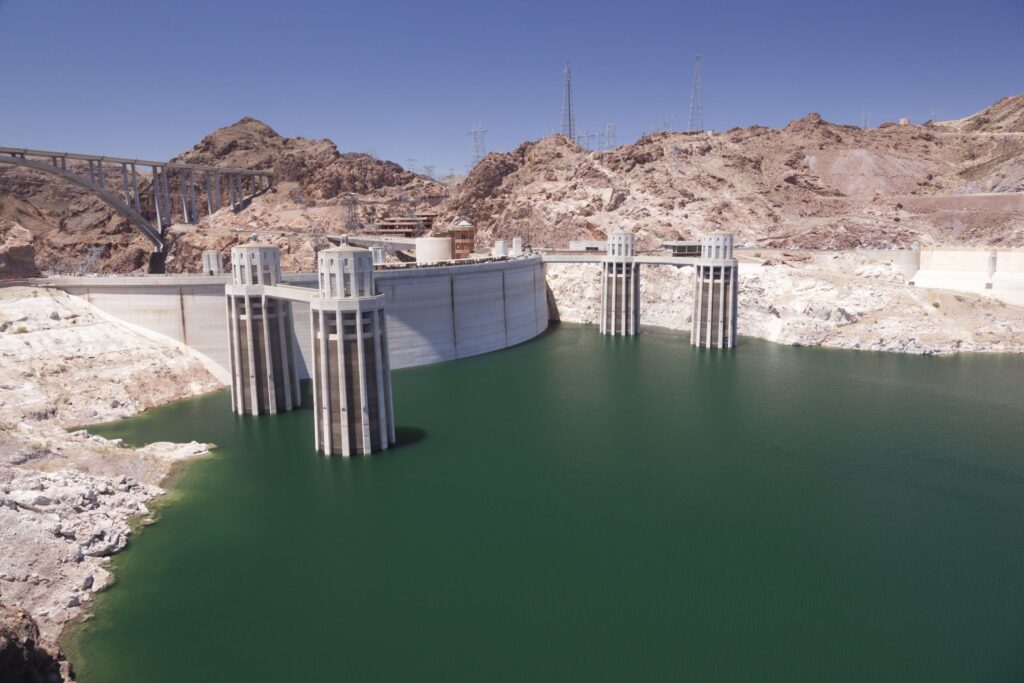
in terms of water capacity

Key Principles of the Water Management Policy
Brad Barnhill’s water management policy is based on several key principles, including sustainable water use, conservation efforts, community involvement, and possibly new water projects.
Benefits to the Community
Implementing a sustainable water management policy brings numerous benefits to the community, such as improved water quality, reduced wastage, and enhanced environmental protection.
What can the Nevada Legislature do?
Water management is a critical issue in Nevada, given its arid climate and growing population. The Nevada Legislature plays a central role in implementing policies and regulations to ensure sustainable water use, conservation, and management. Here are several actions the Nevada Legislature can take to address water management issues in the state:
- Comprehensive Water Planning: Develop and implement comprehensive water management plans that assess current and future water demands, identify available water resources, and prioritize water allocation and conservation strategies. These plans should involve collaboration with stakeholders, including local governments, tribal nations, water districts, agricultural interests, environmental organizations, and the public.
- Water Rights Reform: Review and update Nevada’s water rights laws and regulations to ensure they are equitable, transparent, and conducive to sustainable water management practices. Consider reforms such as water banking, water trading, and more flexible water allocation mechanisms to promote efficient water use and allocation.
- Water Conservation Programs: Implement water conservation programs and incentives to encourage residential, commercial, and agricultural water users to adopt water-saving technologies, practices, and behaviors. Provide financial assistance, rebates, and technical support for water-efficient irrigation systems, low-flow fixtures, drought-tolerant landscaping, and other conservation measures.
- Groundwater Management: Strengthen regulations and oversight mechanisms for groundwater extraction to prevent overexploitation of aquifers and depletion of groundwater resources. Implement groundwater monitoring programs, establish pumping limits, and promote sustainable groundwater recharge and management practices.
- Drought Preparedness and Response: Develop and implement drought preparedness and response plans to mitigate the impacts of drought on water supplies, agriculture, ecosystems, and communities. Coordinate with state and federal agencies, water users, and stakeholders to monitor drought conditions, assess impacts, and implement adaptive measures.
- Water Quality Protection: Enhance regulations and enforcement measures to protect water quality in Nevada’s rivers, lakes, and groundwater resources. Implement pollution control programs, enforce water quality standards, and address sources of contamination from industrial, agricultural, and urban runoff.
- Flood Management: Develop floodplain management plans and infrastructure projects to mitigate flood risks and protect communities from flood hazards. Invest in flood control infrastructure, such as levees, dams, and stormwater management systems, and promote sustainable land use planning and development practices to reduce flood vulnerability.
- Climate Adaptation Strategies: Develop climate adaptation strategies to address the impacts of climate change on water resources, including changes in precipitation patterns, increased temperatures, and more frequent droughts and floods. Incorporate climate resilience considerations into water management planning, infrastructure investments, and policy decisions.
- Tribal Water Rights: Respect and uphold tribal water rights and sovereignty in water management decisions, in accordance with tribal treaties, agreements, and legal precedents. Consult and collaborate with tribal governments on water resource management issues and ensure meaningful participation in decision-making processes.
- Public Education and Outreach: Implement public education and outreach campaigns to raise awareness about water conservation, drought resilience, water quality protection, and other water management issues. Provide educational resources, workshops, and community engagement opportunities to empower residents and stakeholders to become stewards of Nevada’s water resources.
By implementing these and other water management initiatives, the Nevada Legislature can help ensure the sustainable use and management of water resources, protect water quality and ecosystems, and promote the resilience and prosperity of communities across the state.
Even if the People do everything they can to conserve and manage the water upon which we are all dependent, we will still need more water. Perhaps we could work with California to augment and curb their appetite for Nevada’s water.
How to Support the Water Management Policy
Join Brad Barnhill in advocating for sustainable water management by getting involved in our campaign. Learn more about how you can contribute on our Get Involved page.