

By Brad Lee Barnhill, Candidate for Nevada Senate District 6
As we look for ways to diversify Nevada’s economy and embrace sustainable agricultural practices, hemp farming emerges as a promising opportunity. With its versatility, environmental benefits, and economic potential, hemp cultivation could play a vital role in the future of Nevada’s agriculture. As #YourIndependentVoice for Nevada Senate District 6, I am committed to championing this opportunity to bring growth and sustainability to our state.
Why Hemp?
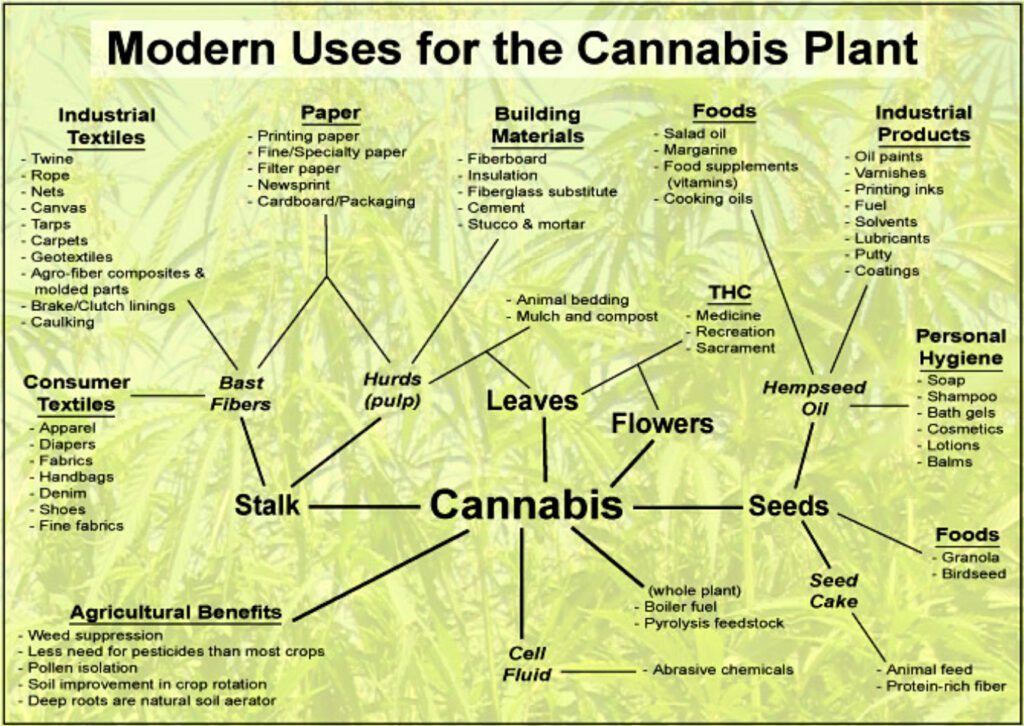
Hemp is a unique crop that has been cultivated for thousands of years, valued for its strength, resilience, and versatility. Unlike its relative marijuana, hemp contains only trace amounts of THC, the psychoactive compound, making it safe and legal to grow under the 2018 U.S. Farm Bill. Hemp can be used in a wide range of products, from textiles and building materials to food, supplements, and biofuels.
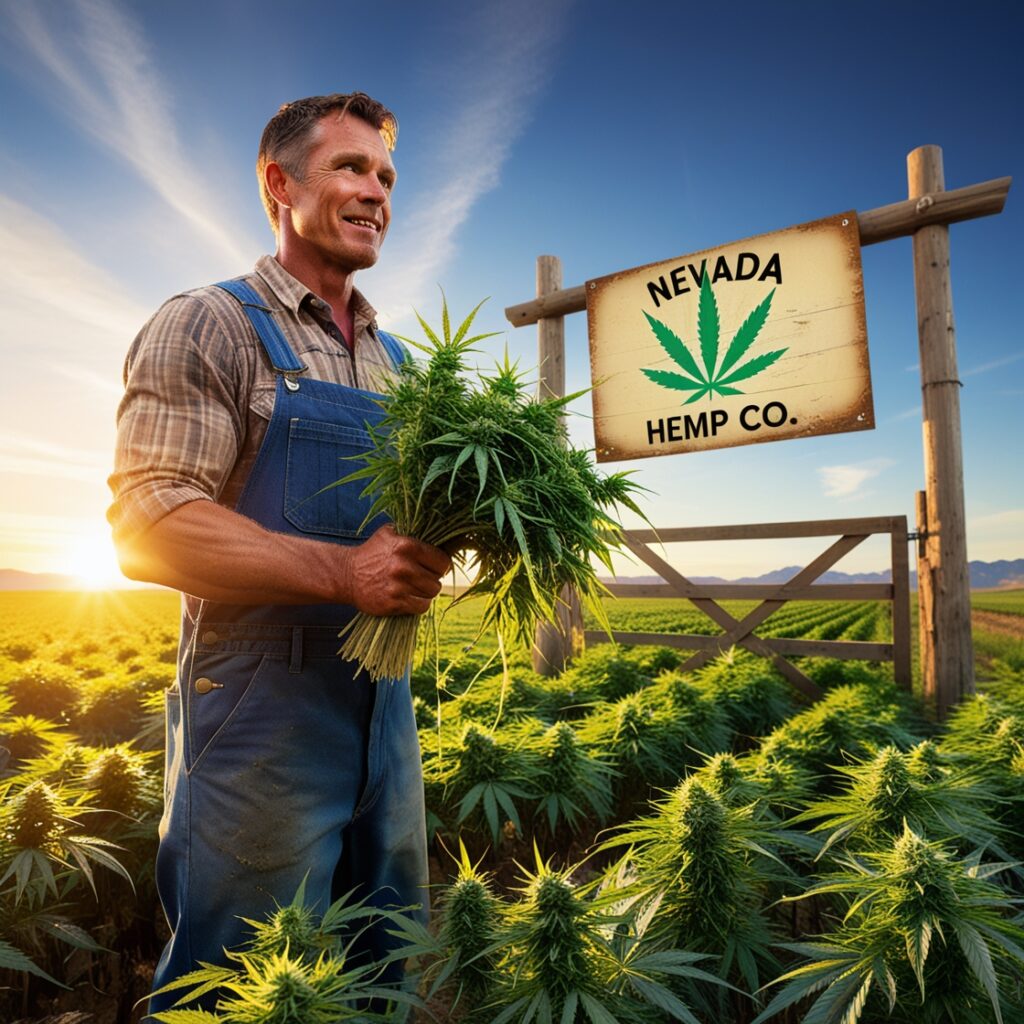
Hemp Farming in Nevada: An Ideal Location
Nevada presents several advantages for hemp cultivation:
- Climate and Geography:
Nevada’s dry climate, ample sunlight, and varied altitudes create an ideal environment for hemp. Southern Nevada, including parts of Nye and Lincoln counties, offers longer growing seasons and consistent sunshine, which are beneficial for growing high-quality hemp. Northern areas like Humboldt, Pershing, and Churchill counties also show promise, with cooler temperatures and access to natural water sources. - Water Management:
Hemp is a relatively water-efficient crop compared to traditional crops like alfalfa or corn, requiring about 20-30 inches of water per growing season. While water management is always a concern in Nevada, innovative irrigation methods like drip systems can help conserve water and make hemp farming more sustainable in our arid climate. - Soil Requirements:
Hemp thrives in well-drained, loamy soils with a pH between 6 and 7.5. While some areas in Nevada may need soil amendments or improvements, the state offers a variety of soil types suitable for hemp cultivation. Regular soil testing and smart farming practices can ensure healthy, productive crops.
Economic Potential of Hemp Farming in Nevada
Hemp farming offers significant economic opportunities for Nevada:
- Job Creation: Hemp cultivation, processing, and manufacturing can create jobs across various sectors, from farming to manufacturing and retail.
- Revenue Generation: As demand for hemp-based products continues to rise, Nevada farmers can tap into a growing market for hemp fibers, seeds, CBD, and other derivatives, generating substantial revenue.
- Diversification of Agriculture: Hemp can help diversify our agricultural base, reducing dependence on water-intensive crops and providing a more sustainable alternative. This diversification can strengthen Nevada’s agricultural sector and boost rural economies.
Hemp-Based Industries: A Future for Nevada
Nevada is well-positioned to become a leader in hemp-based industries. Here are a few sectors where hemp could make a significant impact:
- CBD Extraction and Processing:
With a growing demand for CBD products, Nevada could establish itself as a hub for CBD extraction and processing, taking advantage of existing infrastructure and proximity to major markets like California and Arizona. - Fiber and Textiles:
Hemp fibers are known for their durability and sustainability, making them ideal for textiles, clothing, and industrial applications. Nevada’s strategic location and access to transportation networks make it a prime spot for hemp fiber production. - Hempcrete and Building Materials:
Hempcrete, an eco-friendly building material made from hemp, is gaining popularity in sustainable construction. Nevada’s booming construction industry could benefit from incorporating hemp-based materials to meet the growing demand for green building solutions. - Hemp Seed Processing and Food Products:
Hemp seeds are highly nutritious, rich in essential fatty acids, protein, and fiber. Nevada could leverage its agricultural expertise to produce hemp-based food products, catering to the increasing demand for plant-based, healthy foods. - Bioplastics and Composites:
As the world shifts away from petroleum-based plastics, hemp-based bioplastics offer a sustainable alternative. Nevada’s central location can serve as a distribution hub for these eco-friendly products, reaching markets nationwide.
Navigating Regulatory Requirements
To grow hemp in Nevada, farmers must obtain a license from the Nevada Department of Agriculture (NDA). The licensing process involves background checks, submitting a cultivation plan, and complying with state and federal laws, including maintaining THC levels below 0.3%. The NDA conducts regular inspections and testing to ensure compliance and maintain the integrity of the state’s hemp industry.
A Vision for Nevada’s Future
As #YourIndependentVoice for Nevada Senate District 6, I see a future where Nevada leads the way in sustainable agriculture and hemp-based industries. By supporting hemp farming, we can create jobs, boost our economy, and contribute to a healthier, more sustainable environment.
If you’re excited about the potential of hemp farming in Nevada, join our campaign! Let’s work together to promote smart policies that encourage innovation, economic growth, and sustainability in our state.
Learn more about Brad Lee Barnhill’s background and experience. Make a difference! Join the Campaign!
See more policy position outlines cooked up by Brad Lee Barnhill, #YourIndependentVoice for Nevada Senate District 6.
1 thought on “Unlocking Nevada’s Future: The Potential of Hemp Farming”