

A close election should not require voters to take anyone’s word for it. Paper records for Nevada elections give citizens, county officials, candidates, and observers something durable to examine when questions arise. They are not a partisan symbol or a substitute for good administration. They are a basic safeguard: a voter-verifiable record that can be audited independently of the software that counted it.
Nevada deserves election systems that are secure, accessible, and understandable from Las Vegas to Ely. That means using modern technology where it improves service, while keeping a physical record that allows the public to verify the outcome. Results, not noise, should be the standard.
What Paper Records Actually Do
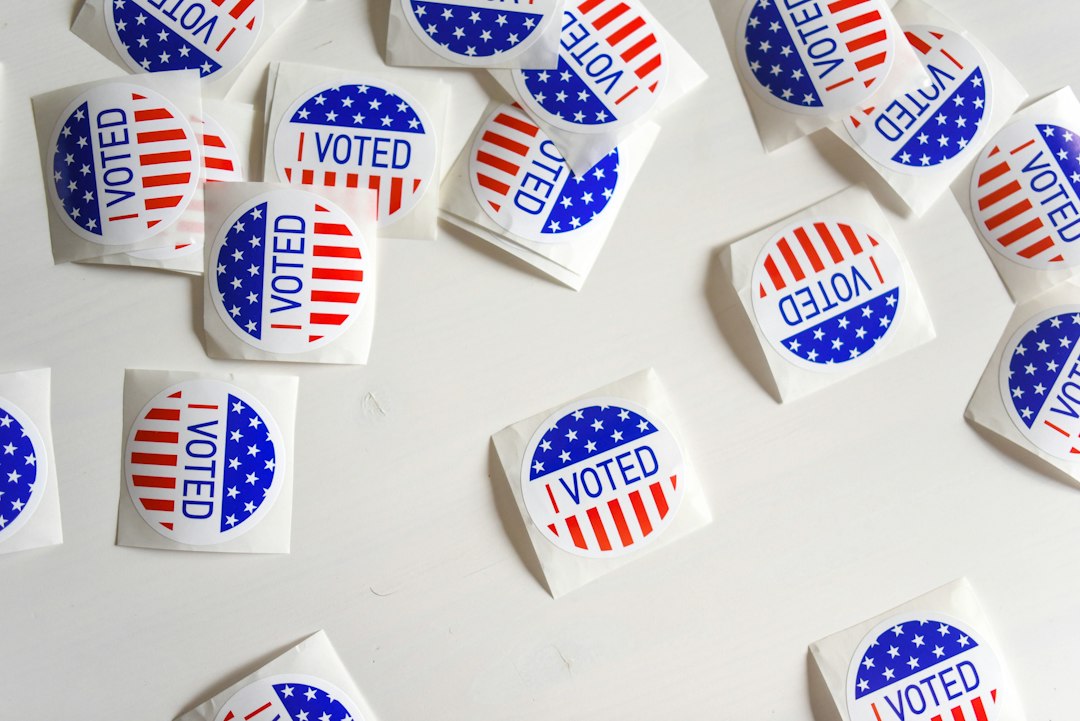
A paper record is the physical evidence of a voter’s choices. For most voters, that may be a marked paper ballot. For voters using accessible voting equipment, it may be a paper record produced by the machine and reviewed by the voter before it is cast. The essential principle is straightforward: the official result must be capable of being checked against a durable record the voter could verify.
Electronic tabulators are useful. They allow counties to count large numbers of ballots quickly, reduce routine clerical errors, and report results efficiently. But speed is not the same as proof. A tabulator can produce totals, yet paper ballots provide the independent evidence needed to confirm those totals through an audit or, when legally warranted, a recount.
This distinction matters because election confidence depends on more than whether a system works as intended. Voters must be able to see that there is a reliable method for checking it. When a close contest, equipment issue, or public concern arises, Nevada should have records that can be examined without relying solely on the same technology under review.
Paper Records for Nevada Elections Build Verifiable Trust
Trust cannot be demanded from voters. It must be earned through procedures that are clear, consistent, and open to scrutiny.
Paper records help make that possible. They give county election officials a concrete audit trail. They allow bipartisan observers and qualified members of the public to understand how an audit confirms the reported count. They also help protect election workers, who should be able to point to established procedures and physical evidence rather than face unsupported accusations after every difficult race.
For voters, the benefit is simpler. A paper ballot or voter-verifiable paper record means your vote is not merely an entry in a database. It is a record that can be retained, secured, and reviewed according to law.
That does not mean paper alone settles every concern. Ballot custody matters. Secure storage matters. Clear chain-of-custody documentation matters. So do accurate voter rolls, trained poll workers, accessible voting options, and transparent public reporting. A box of ballots without disciplined procedures is not an integrity plan. Paper records are one part of a complete system, but they are an indispensable part.

The Real Test Is the Audit
The strongest case for paper is not emotional. It is operational.
An election audit compares evidence to results. Counties should be able to use the paper record to test whether voting equipment and election procedures produced an accurate outcome. Audits should occur under consistent statewide standards, with public notice, clear documentation, and meaningful opportunities for observers from different political perspectives.
Nevada should pursue risk-limiting audits where practical and authorized. A risk-limiting audit uses a statistically valid sample of paper ballots to provide strong evidence that the reported winner is correct. If the sample reveals a problem, the audit expands. In a close race or when discrepancies appear, that process can lead to a broader examination and, if necessary, a full hand count.
This approach respects both security and fiscal responsibility. It does not assume every election requires a statewide hand recount. It does require that every election has a paper trail strong enough to make a meaningful audit possible.
The public should also receive plain-language audit reports. Voters should not need a degree in computer science or election law to learn what was checked, how many ballots were reviewed, whether discrepancies were found, and how those discrepancies were resolved. Transparency is most valuable when ordinary citizens can follow it.
Nevada Needs Consistent Standards Across Counties
Nevada’s counties differ in population, geography, staffing, and resources. Clark County faces an enormous volume of ballots and voters. Rural counties may have limited personnel, long travel distances, and fewer specialized technical resources. A serious statewide policy recognizes those differences without accepting unequal standards.
Every eligible Nevadan should receive the same core protections: a private and accessible ballot, a voter-verifiable paper record, secure handling of ballots, auditable tabulation, and timely results. The process may look different in a large urban vote center than in a small rural polling location, but the standard of proof should not change at the county line.
The Secretary of State’s office should provide counties with practical support rather than unfunded demands. That includes shared training, procurement guidance, cybersecurity coordination, model chain-of-custody forms, and regular readiness reviews before major elections. Counties should also have clear escalation paths when equipment fails or a procedural question arises.
Consistency is not centralized micromanagement. It is making sure that a voter in Elko, Henderson, Reno, or Pahrump can expect the same care for their ballot and the same ability to verify the process.
Accessibility Cannot Be an Afterthought
Election security and voter access are not opposing values. Nevada can protect both.
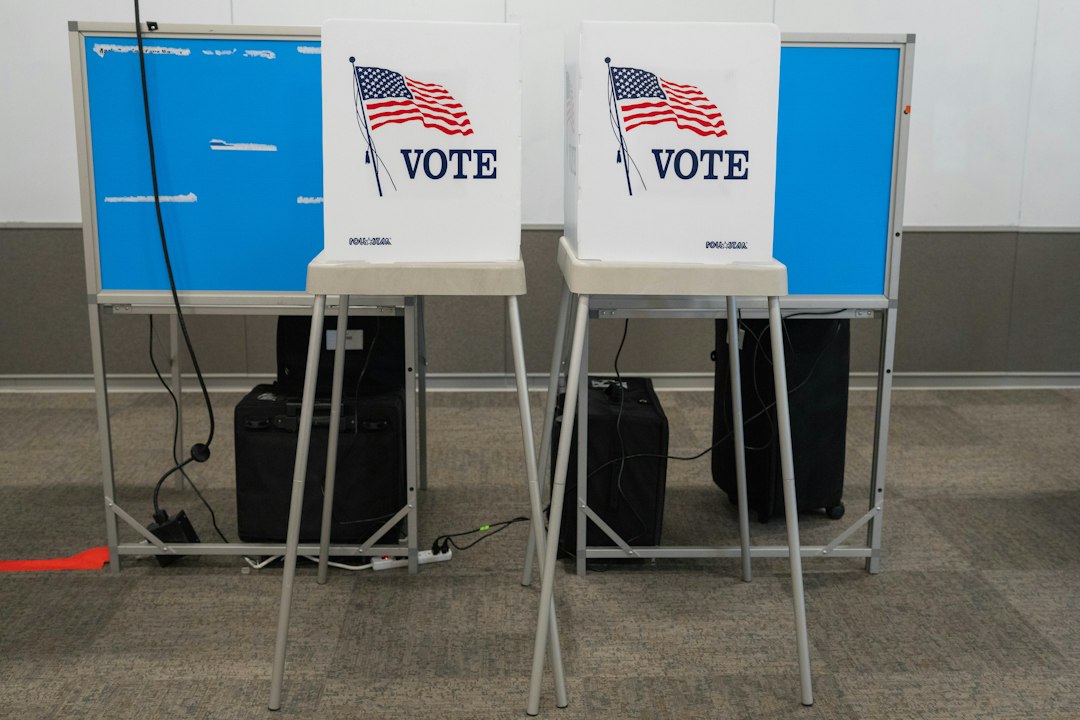
Some voters need accessible voting equipment to mark and review a ballot independently. Seniors, voters with disabilities, injured voters, and others deserve a system that preserves privacy and dignity. The answer is not to force every voter into one method. The answer is to ensure accessible equipment produces a voter-verifiable paper record that the voter can review before casting it.
Voter education is equally important. Election officials should explain, in plain language, how voters can verify their selections, what to do if the printed record does not match their choices, and how ballots are secured after they are cast. Instructions should be available in formats and languages that serve Nevada’s communities.
Security measures work best when voters understand them. Confusion leaves room for mistrust. Clear information gives voters confidence without asking them to become election experts.
A Practical Standard for Ballot Security
Paper ballots must be handled with discipline from the moment they are issued until retention requirements are met. That calls for documented custody, secure storage, reconciliations of ballots issued and returned, and procedures that account for every ballot without compromising ballot secrecy.
Nevada should expect four practical commitments from election administration:
- Every voting method should produce a voter-verifiable paper record.
- Counties should use transparent, evidence-based audits under consistent statewide rules.
- Ballot chain-of-custody records should be complete, secure, and available for lawful review.
- Audit results, discrepancies, and corrective actions should be reported clearly to the public.
These are not extravagant demands. They are the working standards of an election system that respects the voter, protects the ballot, and can demonstrate its accuracy.
Technology Should Serve Verification, Not Replace It
Nevada should continue modernizing election technology, including cybersecurity protections, secure voter-registration systems, and efficient ballot processing. But technology must remain accountable to the voter and to verifiable evidence.
No voting system should become a black box that only a vendor or technical specialist can evaluate. Counties need equipment that can be tested before elections, monitored during elections, and audited afterward. Contracts should protect public oversight, establish clear security expectations, and avoid dependence on systems that cannot be independently examined.
There are trade-offs. More documentation requires staff time. Stronger audits require training and planning. Printing and securing paper records costs money. Yet the cost of verifiable elections is far lower than the cost of public confidence lost through avoidable uncertainty.
The goal is not to make voting harder or counting slower. The goal is to make the process strong enough that accurate results can be confirmed, explained, and defended.
Nevadans do not need more partisan arguments about elections. They need an administration that safeguards access, insists on evidence, and treats every ballot as a public trust. A paper record, properly secured and honestly audited, gives every voter something better than a promise: a reason to believe the result can be proven.
1 thought on “Why Paper Records for Nevada Elections Matter”