
A voter in Ely, Battle Mountain, or Caliente should not have a harder path to the ballot than a voter who lives minutes from a busy election office. That isn’t a partisan favor. It’s basic election administration.
I’m Brad Lee Barnhill, and I’m running for Nevada Secretary of State as #YourIndependentVoice. I spent 20 years as a Nevada litigation paralegal and 20 years as a computer systems analyst, and you can read more about my background here. I solve problems for a living, and this is a problem that can be solved. It’s also one piece of my 20/20 plan for the office.
Nevada is big, and our elections should work for all of it
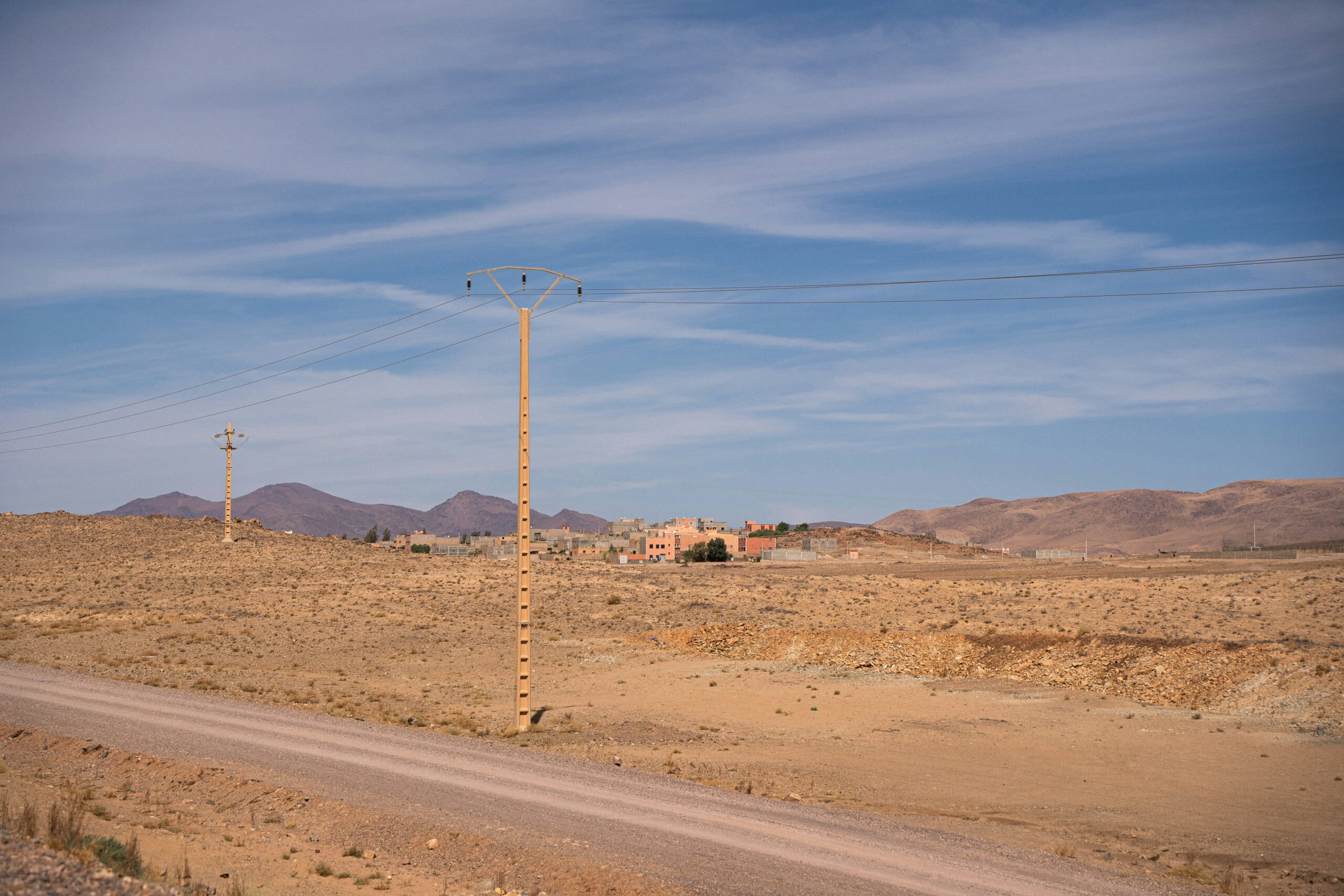
Nevada’s communities are separated by long stretches of highway, changing weather, limited transportation, and county offices with small staffs. In a sparsely populated county, one polling place can mean a long drive. For seniors, working families, people with disabilities, and anyone without reliable transportation, that distance is a real barrier.
Security and access are not competing goals. When elections run on clear standards, accurate records, and documented procedures, Nevadans get both.
One standard, applied everywhere
Every county has different logistics, but no voter should get different basic protections because of their ZIP code. Ballot handling, chain of custody, worker training, and post-election review should follow the same security principles in every county. A ballot cast in a small rural precinct deserves the same careful handling and transparent counting as one cast in Clark or Washoe County. I explain how in my plan for consistent county election standards.
Consistent doesn’t mean identical. Counties can keep their own staffing plans and locations. The Secretary of State’s job is to set the standard, then provide the training, technology, and guidance to help each county meet it. That starts with listening to the county clerks and election workers who know their communities best.
Voter ID has to work for the voter
Nevadans approved Question 7 in 2024, and it returns to the ballot for a second vote this November. Voter ID is a common-sense safeguard, and I support it. But the rollout matters as much as the rule.
If the state asks a voter to meet a requirement, the state must make it realistically achievable. My plan is to use the authority the Secretary of State’s office already has over regulations and training, with no new legislation required. You can read what an independent Secretary of State can accomplish with that authority. That means early, clear public education, coordination with every county, and reasonable ways for eligible voters to get compliant ID. Outreach has to reach rural residents, seniors, students, veterans, and tribal communities, including people who can’t easily get to a government office. I’ve written more about making voter ID actually work for people.
The standard is simple: protect the ballot without punishing the voter.
Accurate voter rolls help rural counties most

Outdated records cause returned mail, confusion at check-in, and public suspicion that routine maintenance could have prevented. Small county offices shouldn’t have to solve complex data problems alone.
I support careful voter-roll maintenance: flag possible problems, investigate them, and give voters notice and a simple way to correct errors. The goal is accuracy, not exclusion. That’s the same reason I filed Barnhill v. Aguilar, which asks for an audit of duplicate active registrations. The state should give counties dependable tools and clear procedures so records stay clean without anyone losing their vote by mistake. And any voter can check their Nevada voter registration in a few minutes.
Paper records and open audits build trust
Every Nevadan should be able to trust that a ballot can be verified, counted, and audited. Modern technology should make elections more efficient, but it needs paper records, tested equipment, a strong cybersecurity plan, and public post-election review.
Small offices are the most exposed when equipment fails or a trained staff member is out. Statewide contingency planning and regular security testing reduce that risk. Audits should be easy for the public to follow, with published results and observers from every party and from outside the parties. Trust grows when people can see the evidence for themselves.
Technology can’t be the only door
Modern systems should make voting easier, but they shouldn’t assume every household has fast internet, a printer, and a smartphone. Election information should be current and plain-spoken, and available in print, by phone, through local outreach, and online, so a voter knows where to go before starting a long drive.
Results, Not Noise
Rural Nevadans have the same stake in this state’s future as anyone else. Their vote carries the same weight, their questions deserve the same honest answers, and their access to the ballot deserves the same protection. I’ll set firm statewide standards, give every county the tools to meet them, and report results openly. That’s the daily work of an office that respects the people it serves.
If you want elections that are secure, transparent, and workable for every community, get to know me, join the campaign, or donate. Independence isn’t a wasted vote. It’s a vote no party owns, and it’s how you can stop being unrepresented.
