
Nevada voters have heard plenty of arguments about election rules. The practical question behind Question 7 Nevada voter ID is simpler: can the state strengthen identity verification while making certain every eligible Nevadan can cast a ballot without unreasonable burden? That is the standard voters should expect – not partisan talking points, not confusion at the polling place, and not a system that leaves counties to improvise.
Question 7 is about more than showing identification on Election Day. It is a constitutional proposal with consequences for in-person voting, mail ballot verification, county election operations, voter education, and public confidence. If Nevada adopts it through the required constitutional process, the hard work will not end at the ballot box. It will begin there.
What Question 7 Nevada Voter ID Would Require
Question 7 proposes adding voter identification requirements to the Nevada Constitution. For in-person voting, the measure calls for voters to present valid photo identification. For voting by mail, it requires identity verification through information such as the last four digits of a driver’s license, state identification number, Social Security number, or another method established by law.
The measure also places an obligation on the Legislature to make sure eligible voters can obtain identification at no cost. That provision matters. A voter ID policy is only as fair as its implementation. Nevada must not create a rule that works easily for a frequent traveler in Las Vegas but becomes difficult for a senior in a rural community, a student living away from home, a veteran, a person with a disability, or a voter without reliable transportation.
Because Question 7 is a proposed constitutional amendment, voter approval must occur in two successive general elections before it becomes part of the Nevada Constitution. Its approval in 2024 was the first step. Nevada voters will consider it again in 2026. Until that process is complete, the existing election rules remain in effect.
A Constitutional Vote Is Not an Implementation Plan
This is where political noise often replaces clear thinking. A ballot measure can establish a constitutional direction, but it cannot answer every operational question that election officials and voters will face.
Nevada lawmakers would need to define acceptable forms of identification, establish procedures for voters who arrive without ID, set mail-ballot verification standards, fund free identification access, and create rules that apply consistently across all 17 counties. The Secretary of State’s office would then have a major responsibility to issue clear guidance, coordinate county implementation, train election workers, and explain the rules in plain language.
That work should not be rushed or handled behind closed doors. Election rules affect every eligible voter, regardless of party. Public workshops, county election input, disability-access review, tribal consultation where appropriate, and transparent reporting should be part of the process.
A good system does not merely announce a requirement. It tells voters exactly what to bring, where to get help, what to do if records do not match, and how to correct an issue before their ballot is rejected.
Security and Access Must Work Together
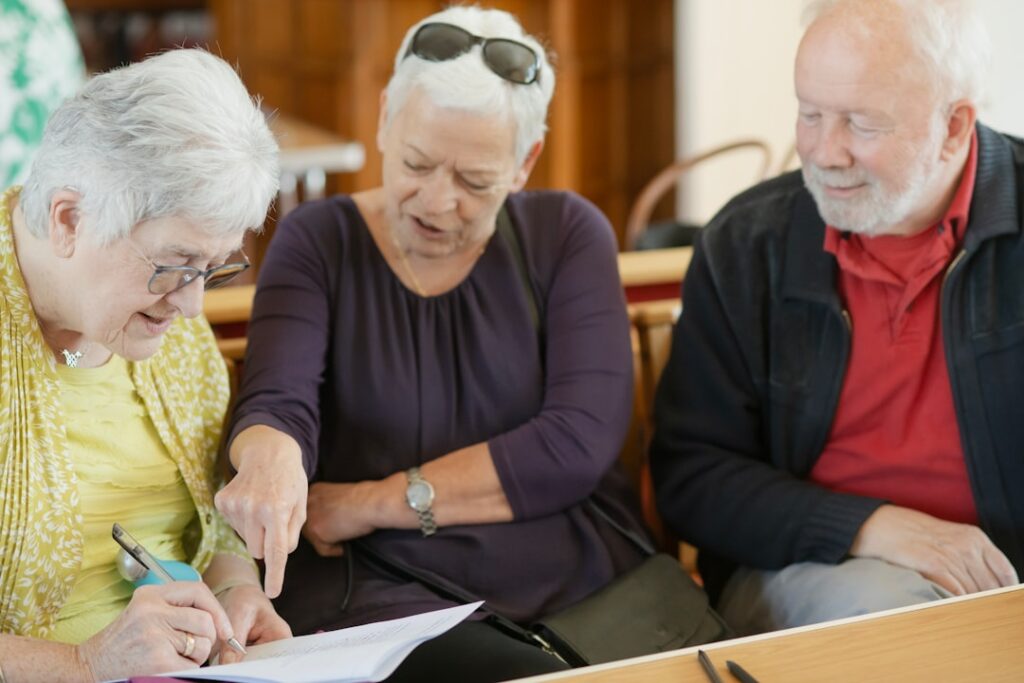
Nevadans should not have to choose between secure elections and accessible elections. Both are necessary for public trust.
Photo identification can provide a straightforward way to confirm that the person voting in person is the registered voter. Mail ballot identity verification can add another check to a voting method many Nevadans use. But those protections must be supported by accurate voter rolls, reliable chain-of-custody procedures, paper records, strong cybersecurity, and transparent post-election audits. Voter ID is one part of election administration, not a substitute for the rest of it.
Access also requires more than a promise of free ID. A free card is not truly accessible if obtaining it requires multiple documents, a long trip to an office, time away from work, or an appointment that is unavailable in a small community. Nevada should examine mobile enrollment options, partnerships with county offices, reasonable document-replacement assistance, accessible service for people with disabilities, and voter outreach well before an election.
The right test is practical: can an eligible voter in Ely, Elko, Pahrump, Reno, Las Vegas, or a remote Nevada community understand the requirement and meet it without unnecessary obstacles? If the answer is no, the state has more work to do.

What Responsible Implementation Should Look Like
If Question 7 is adopted, Nevada should implement it with discipline and measurable standards. The state should not leave voters guessing until a few weeks before Election Day.
First, the Secretary of State’s office should publish a single statewide voter ID guide in clear, accessible language. County websites, polling-place notices, mailed voter information, and election-worker materials should all use the same core instructions. A rule applied differently in neighboring counties invites confusion and undermines confidence.
Second, Nevada should establish a practical process for voters whose identification is lost, expired, damaged, or unavailable on Election Day. Election administration must protect against improper voting while providing lawful voters a reliable opportunity to resolve an issue. Provisional-ballot procedures, cure opportunities where permitted by law, and prompt voter notification should be plainly explained.
Third, the state should measure access rather than assume it. Quarterly public reporting could track the number of free IDs issued, wait times for appointments, locations served, voter questions received, provisional ballots cast because of ID concerns, and ballots requiring identity verification follow-up. Data will show whether a policy is functioning fairly across Nevada or whether a county needs additional resources.
Fourth, independent review should be built into the process. County clerks, bipartisan observers, election-security professionals, disability advocates, community representatives, and voters should be able to examine how the rules are working. Transparency is not an obstacle to security. It is one of the ways security earns public confidence.
The Secretary of State Must Lead, Not Grandstand
The Secretary of State does not get to rewrite the Nevada Constitution alone, nor should the office turn election administration into a partisan show. Its duty is to administer the law faithfully, communicate honestly, and give every county the tools to meet the same statewide standards.
That means planning before deadlines arrive. It means testing election technology, protecting voter data, training poll workers, and preparing public education in multiple formats. It means listening when counties identify a real logistical problem rather than dismissing it as politics. And it means publicly reporting what is working, what is not, and what corrective action will be taken.
This is the kind of work that rarely produces dramatic headlines. It does produce better elections.
For voters who support Question 7, the standard should be more than passing a requirement. Demand an implementation plan that protects lawful voters and verifies identity consistently. For voters who have concerns, the answer should be more than fear of any change. Demand enforceable access protections, transparent data, and accountable administration.
What Nevada Voters Should Watch Before 2026
As the 2026 vote approaches, voters should look past campaign slogans and ask specific questions. Will acceptable identification be clearly defined? Will free ID be genuinely available in every part of the state? How will mail voters verify identity? What happens when an eligible voter encounters a problem? Who will audit the process, and when will the public see the results?
Those questions are not partisan. They are the duties of citizenship.
Nevada can pursue stronger identity verification without treating voters as an afterthought. It can respect the constitutional importance of the ballot while recognizing the real circumstances of working families, seniors, students, rural residents, and every eligible citizen. That requires calm leadership, consistent standards, and a commitment to results instead of noise.
The most useful measure of any election reform is not whether it produces the loudest argument. It is whether, on Election Day and during every mail-ballot process, Nevadans can see that the rules are clear, the process is secure, and every lawful vote is treated with equal respect.
