

Question 7 passed in 2024 with 73% of the vote. Every poll and every conversation I’ve had on the ground tells me it’s going to pass again this November. That question is settled.
The question that isn’t settled is implementation — and this is where I hear from Nevadans of every stripe. Not “should we have ID,” but “can I actually get one,” “what will it cost me,” and “what happens if something goes wrong at the polls.” Those aren’t partisan questions. They’re the questions any parent, retiree, small business owner, or working Nevadan would ask about a rule that affects their vote.
I’m an independent, and I mean that literally: I’m not beholden to a party that wants me to wave this off, and I’m not beholden to a party that wants me to score points off it. I’m beholden to you — the voter, whoever you are, whatever you believe. Here’s what I hear most, and here’s what a Secretary of State can actually do about it, starting January 2027, without waiting years on a Legislature that has no reason to move fast on this.
This is the same administrative-authority argument behind what an independent Secretary of State can accomplish even under a Legislature controlled by another party — the office already has more tools than most voters realize.
“How do I even get an appointment?”
This is the one I hear the most, and it’s not a hypothetical. Nevada’s DMV has been appointment-only at its metro offices in Las Vegas, Henderson, Reno, and Carson City since August 2022. Wait times for a first available appointment in Southern Nevada have been reported in the range of a month at various points over the past two years, and the agency has been running significant staffing vacancies while working through a persistent no-show problem that clogs the calendar for everyone else.
If the plan is “just go get a Real ID,” the plan doesn’t survive contact with the DMV’s own website. A policy that only works on paper isn’t a policy — it’s a talking point. And a locked-out voter doesn’t care which party locked them out.
What the Secretary of State can do without new legislation:
- Use the kind of cooperative agreement Nevada law already allows state agencies to enter into — the same basic authority that let the Secretary of State’s office and DMV build the electronic system that shares voter registration information today — to set up dedicated DMV appointment blocks for voter ID issuance in the run-up to the election, separate from the general registration/license queue.
- Stand up mobile ID days — pop-up DMV service at libraries, senior centers, and community centers, coordinated the same way early voting sites already are.
- Prioritize rural counties and tribal communities, where “just go to the DMV” can mean a multi-hour round trip, not a bus ride.
“What’s this going to cost me?”
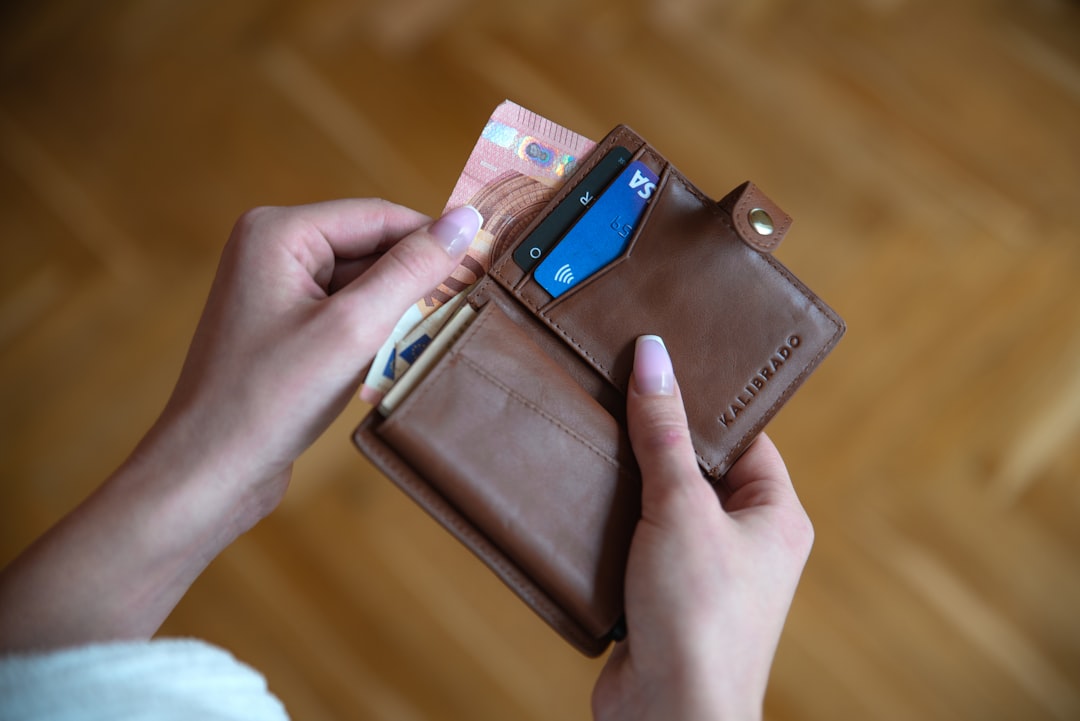
This deserves a straight answer instead of a dodge. When Question 7 went to the Legislature’s fiscal staff for review, they couldn’t put a number on the cost of providing alternative ID, because the initiative itself doesn’t say which agency issues it or who pays. Most of the ID categories Question 7 allows — a driver’s license, a state ID card, a passport — carry a fee, and between the ID fee itself and underlying documents like a birth certificate, it can add up to real money for a family living paycheck to paycheck, regardless of how they vote.
I don’t think the answer is to pretend that’s not a legitimate concern. I think the answer is to close it before it becomes one.
What the Secretary of State can do without new legislation:
- Use existing federal HAVA election security funding — money the state already receives, no new appropriation required — to underwrite a fee-waiver program for Nevadans who can show financial need, so the ID that lets you vote doesn’t cost you money you don’t have.
- Work with DMV on a documented waiver process, the same way courts already waive fees for people who can’t pay them — borrowing a tool that already exists elsewhere in state government, not inventing a new one.
- Be transparent about what it costs and who’s paying for it, instead of letting the number stay “undetermined” until it’s an October surprise.
“What happens if I show up without ID?”
Question 7’s text doesn’t actually answer this. It’s silent on what happens to a voter who arrives at the polls without an acceptable ID. Left unaddressed, that silence becomes a patchwork — one poll worker turns someone away, another one doesn’t, and you get an inconsistency problem on top of an access problem. That’s not a Democrat problem or a Republican problem. It’s a “did the state do its job” problem.
What the Secretary of State can do without new legislation:
- Adopt a formal regulation guaranteeing every voter without ID on Election Day gets a provisional ballot, not a turned-away voter — using the same provisional ballot infrastructure Nevada already runs under federal law.
- Set a clear, generous cure window and publish it everywhere, the same way ballot-signature cure deadlines are already publicized.
- Train every county’s election workers to the same standard, so a voter in Washoe County and a voter in Clark County get treated the same way. That’s regulatory uniformity the Secretary of State already has the authority to require — it doesn’t need a bill.
“I don’t have a permanent address. Can I even get ID?”
This is a real gap, and it’s worth being straight about it rather than letting it slide by unmentioned.
Nevada already recognizes that lacking a permanent address doesn’t disqualify someone from voting — under NRS 293.486, a Nevadan experiencing homelessness can register using a description of where they stay (a shelter, a park, an intersection) instead of a street address. That’s the right policy, and it’s already state law.
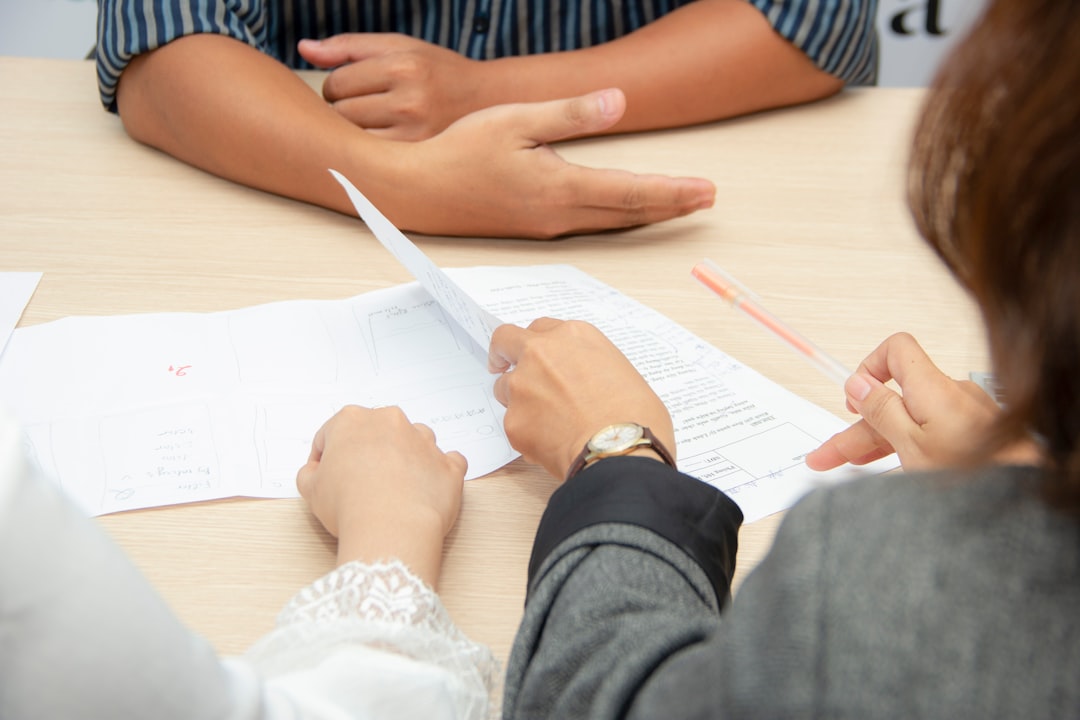
But registering to vote and getting a photo ID are two different processes, and the second one is where the gap actually sits. DMV ID applications typically ask for proof of residency — a lease, a utility bill, mail addressed to you — which is exactly the kind of paperwork someone who has lost stable housing is least likely to have. And if the underlying documents needed to get an ID, like a birth certificate, were lost along with everything else, that’s a second locked door before you even reach the first one.
What the Secretary of State can do without new legislation:
- Work with DMV to accept a signed letter from a shelter, a case worker, or a homeless service provider as proof of residency for ID purposes — extending the same flexibility Nevada already grants for voter registration under NRS 293.486 to the ID application itself.
- Include shelters and homeless service providers in the mobile ID day partnerships mentioned above, so getting an ID doesn’t require navigating an unfamiliar building on top of everything else.
- Make sure the fee-waiver and vital-records-replacement process described above explicitly covers Nevadans who’ve lost their documents along with their housing, not just those who simply can’t afford the fee.
Other concerns worth naming honestly
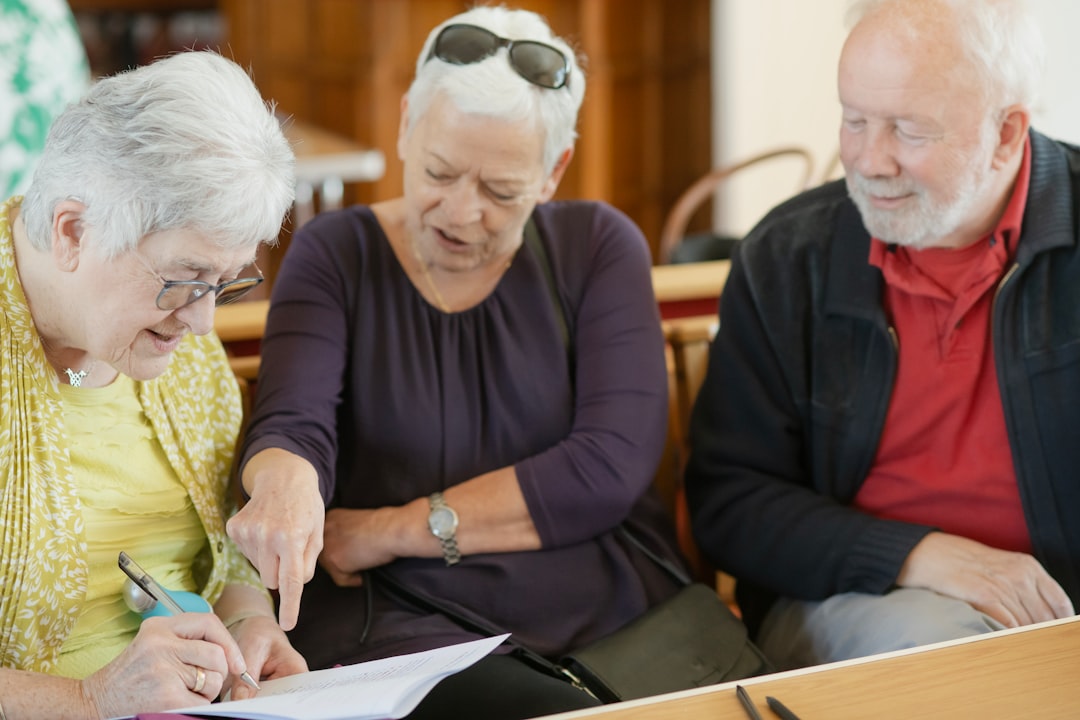
- Elderly and disabled voters who can’t easily get to a DMV office at all — homebound ID issuance, modeled on the mobile notary and mobile voting programs some counties already run for people who can’t get to a polling place.
- Rural and tribal voters, whose communities may be hours from the nearest DMV — Question 7 already lists tribal ID as acceptable; the job now is making sure county officials are actually trained to recognize it without a hassle.
- Students — Nevada public college and university IDs are already on Question 7’s approved list. That’s a genuine win worth pointing out, and it’s on the Secretary of State to make sure every county’s poll workers know it counts.
- Smaller counties, which don’t have Clark County’s budget to absorb new administrative costs. Using existing federal election security dollars, rather than asking counties to eat the cost themselves, keeps this from becoming a rural-versus-urban fight too.
Why this matters to me
I’m not asking you to trust a party on this — I’m not part of one. I’m asking you to hold an office, mine if you elect me, accountable for solving actual, practical problems instead of arguing past them for a headline. I spent 20 years as a civil litigation paralegal and 20 years as a computer systems analyst. I’ve spent my career finding out where a process breaks down and fixing it before it becomes a lawsuit or a crisis.
Question 7 is going to become law. The only real question left is whether Nevada implements it like a state that wants every eligible voter to vote, or like a state that didn’t bother to plan. That’s not a Left question or a Right question. It’s a people question, and it’s the job.
— Brad Lee Barnhill, #YourIndependentVoice
This is one piece of the rest of my 20-point plan for the office, building on the commitment I made when I first laid out my Voter ID implementation plan.
The same flag-and-investigate approach I’ve proposed for cleaning up Nevada’s voter rolls applies here too, and you can see my full platform for the office.
Learn more about Brad Lee Barnhill’s background and experience. Make a difference! Join the Campaign!
See more policy position outlines cooked up by Brad Lee Barnhill, #YourIndependentVoice for Nevada Secretary of State.
I’m not asking you to trust a party on any of this — I’m not part of one.
I’m asking you to hold the office accountable for solving real problems. That’s the job, and I intend to do it.
— Brad Lee Barnhill
Candidate for Nevada Secretary of State
#YourIndependentVoice — Results, Not Noise
5 thoughts on “Voter ID Is Coming. Let’s Talk About Making It Actually Work For People.”